When freezing weather enters the Fredericksburg forecast, the most useful question is simple: which parts of your property will still have heat, and which water lines will not? The answer may be different for the main house, a detached guest room, a garage sink, and an outdoor faucet.
This Fredericksburg freeze prep checklist helps you move from a weather alert to a practical plan. It focuses on overnight cold snaps, extended freezes, and the first checks after temperatures recover. For seasonal maintenance and getting the house ready for visitors, see our fall home preparation guide.
1. Make a freeze plan for each part of the property
Start with the forecast for your exact address. Check the overnight lows and expected hours below freezing, rather than assuming the afternoon warmth will last. A forecast for a broad region does not describe every home’s exposure or plumbing layout.
In Fredericksburg and surrounding Gillespie County, include any detached buildings or infrequently occupied spaces in your plan. If you have a guest cottage near town or a property outside Stonewall or Willow City, its water connections may need attention even when nobody is staying there. Heat in the main house cannot protect a separate building.
- List each heated space and confirm who can access its thermostat.
- Identify outdoor faucets, unheated utility areas, and separate water shutoffs.
- Assign someone to check an unattended property before and after the freeze, when travel is safe.
- Keep your electric and water providers’ contact details available offline.
Local alerts belong on that list. In its January 2026 winter storm update, the City of Fredericksburg highlighted outages affecting both City Electric and CTEC customers, along with dangerous roads. That past event is a useful reminder to plan for interrupted heat and access. It is not a forecast for the next cold snap. Follow current city, county, utility, and National Weather Service updates.
2. Set up the heat for a cold night, not just a quick test
If your indoor temperature is falling below your comfortable setting, switch the thermostat from Cool to Heat. Let the current cycle finish and allow the startup delay specified by the equipment. Repeated mode changes will not make the system respond faster.
Check the schedule in each occupied or protected space. A daytime test can succeed, then an old overnight or Away setting can let the room cool more than intended. Confirm that the room actually warms toward the setpoint. Keep furniture away from returns and registers, and replace a dirty filter with the correct type.
If a room still loses heat, note the thermostat reading, settings, and any error message before requesting heating repair. Those details are more useful than repeatedly restarting the system. If routine service is overdue, our article on why heater tune-ups matter explains the maintenance side.
3. Know what your outdoor unit needs during a freeze
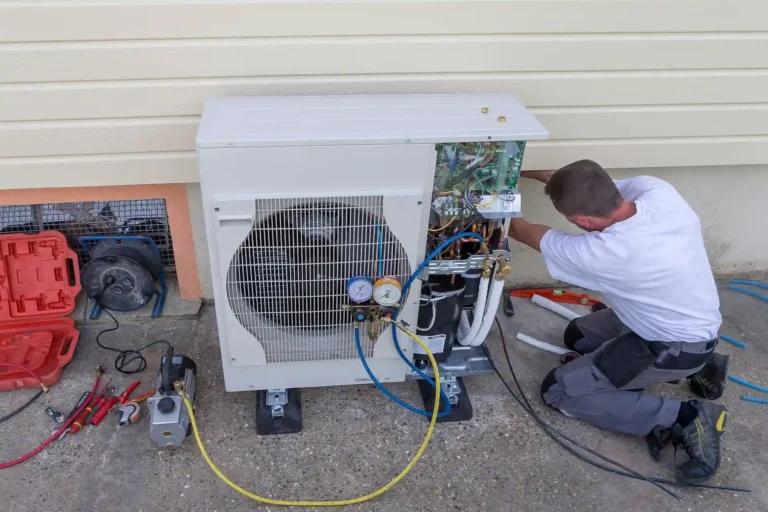
A heat pump’s outdoor unit works during heating season. Do not disconnect it or wrap it for winter. Keep its required clearance open, and leave the cabinet and electrical components to a technician.
A light frost coating can occur during normal operation, and the system should manage it through defrost. Heavy ice buildup or a home that keeps getting colder needs attention. Do not chip ice off the coil or pour hot water over the equipment.
Keep the thermostat in its normal Heat mode unless your system instructions or technician direct otherwise. Emergency Heat is not a general cold-weather boost. Manufacturer heat pump guidance explains why a working system should handle auxiliary heat automatically when needed.
4. Protect water lines outside the heated living space
Use your property list to check the connections you might otherwise miss. An outdoor kitchen, workshop sink, or hose faucet behind a garage can be easy to forget once it gets dark.
- Disconnect garden hoses and use properly fitted protection on exposed faucets.
- Inspect insulation on accessible hot and cold water pipes in unheated areas. Replace damaged protection with materials suited to the installation.
- Have a qualified professional prepare unfamiliar irrigation assemblies or separate building supply lines. Follow the system’s instructions for isolation and draining.
- Find the household water shutoff and make sure another responsible adult can locate it.
If your property uses a private well, ask your well-service provider about exposed well equipment and the effect of a power outage on your water supply. A plan written for a city-water home may not fit your equipment. Do not improvise with an open flame or an unattended portable heater in a pump enclosure.
For household plumbing questions, Hill Country’s plumbing team can help assess the problem and explain appropriate next steps. During freezing conditions, follow your water provider’s instructions about faucet dripping and water use.
5. Have a plan for an empty house or a power outage
Do not turn off the heat and assume insulated pipes will be fine while you are away. Arrange a local check-in and discuss any longer-term shutoff or winterization plan with a plumber. A remote thermostat is useful, but a lost Wi-Fi connection can also mean lost visibility. Decide who will act if the property stops reporting its temperature.
Maintain safe indoor warmth during the freeze. Where sink plumbing is vulnerable, open the cabinet doors and move household chemicals out of reach. If electricity fails and the home becomes too cold, follow local guidance on safe shelter. Never use an oven, grill, or outdoor fuel-burning appliance for indoor heat. A gas odor or sounding carbon monoxide alarm means leave immediately and call 911 or the gas utility from outside.
6. Check for damage when water starts flowing again
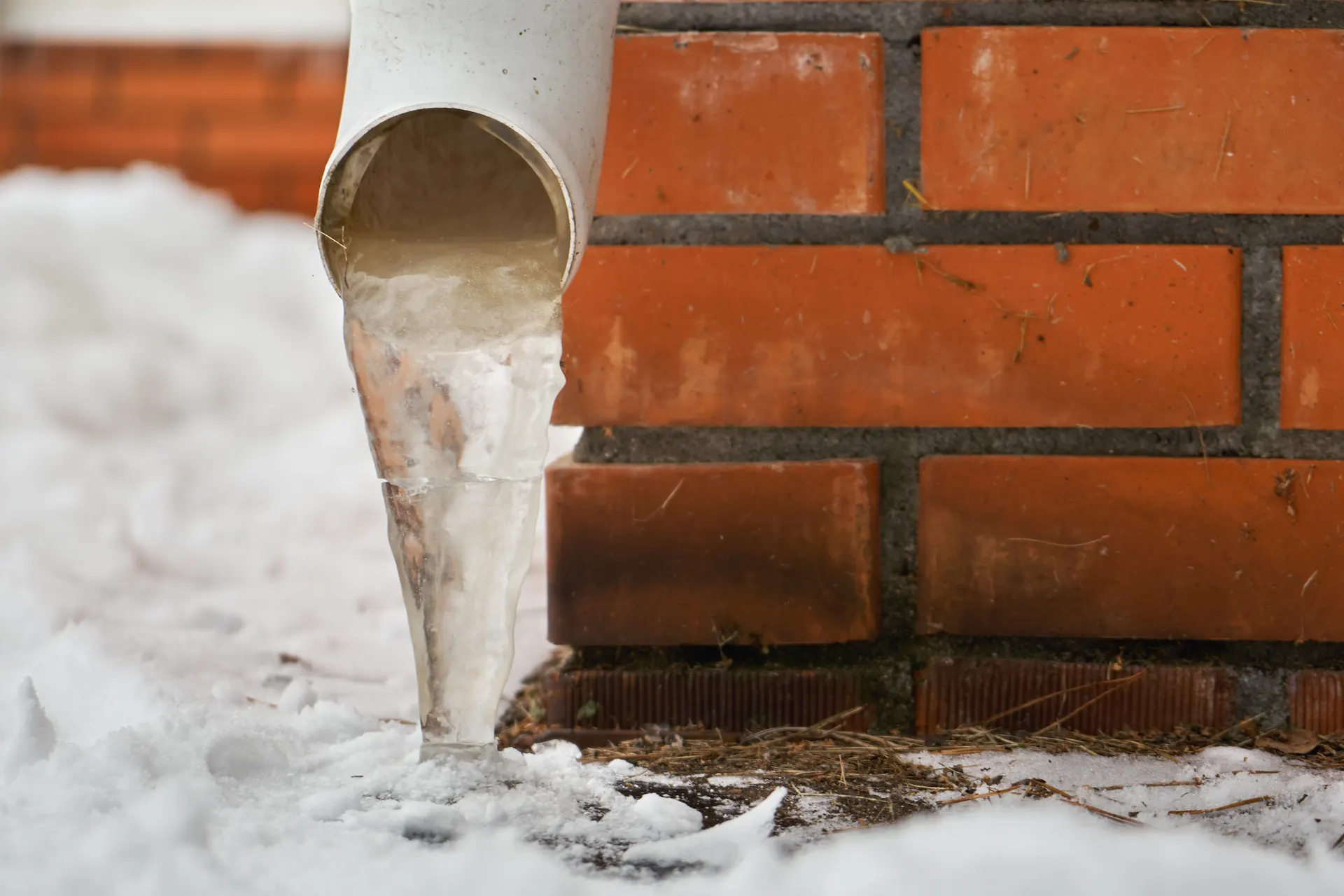
Reduced or absent faucet flow during a freeze can indicate an iced-up line. Avoid forcing valves or attempting to thaw pipes with a torch. A plumber should assess inaccessible frozen sections or any suspected damage.
After temperatures rise, revisit each water connection on your list. Look for fresh dampness under sinks, puddles at outdoor faucets, or water appearing where a supply line enters a building. If you discover a burst pipe, close the household shutoff if it is safe to reach and keep away from standing water near electrical equipment. Request water leak detection for unexplained moisture or water use after the thaw.
Fredericksburg freeze prep FAQs
Will keeping the house warm protect every pipe?
No. Pipes in a separate building, unheated garage, or exposed exterior location may not receive that warmth. Plan protection around the actual route of the water lines.
Should I turn the AC off for the entire winter?
Change modes at the thermostat as comfort and equipment operating limits require. Mild afternoons may still call for cooling. Avoid shutting off power to equipment that also provides heat.
When should I call for help?
Call before the freeze if heat will not maintain temperature or you cannot safely prepare vulnerable plumbing. During or after the event, loss of water flow, suspected leaks, and continued heating failure need prompt attention.
Prepare your Fredericksburg home before the temperature drops
Hill Country AC, Heating, Plumbing helps homeowners in Fredericksburg, Kerrville, and nearby Hill Country communities address heating and household plumbing concerns. Request service or call (830) 362-1142 to explain what you are seeing and arrange the appropriate help.